Opinion · Live Wire
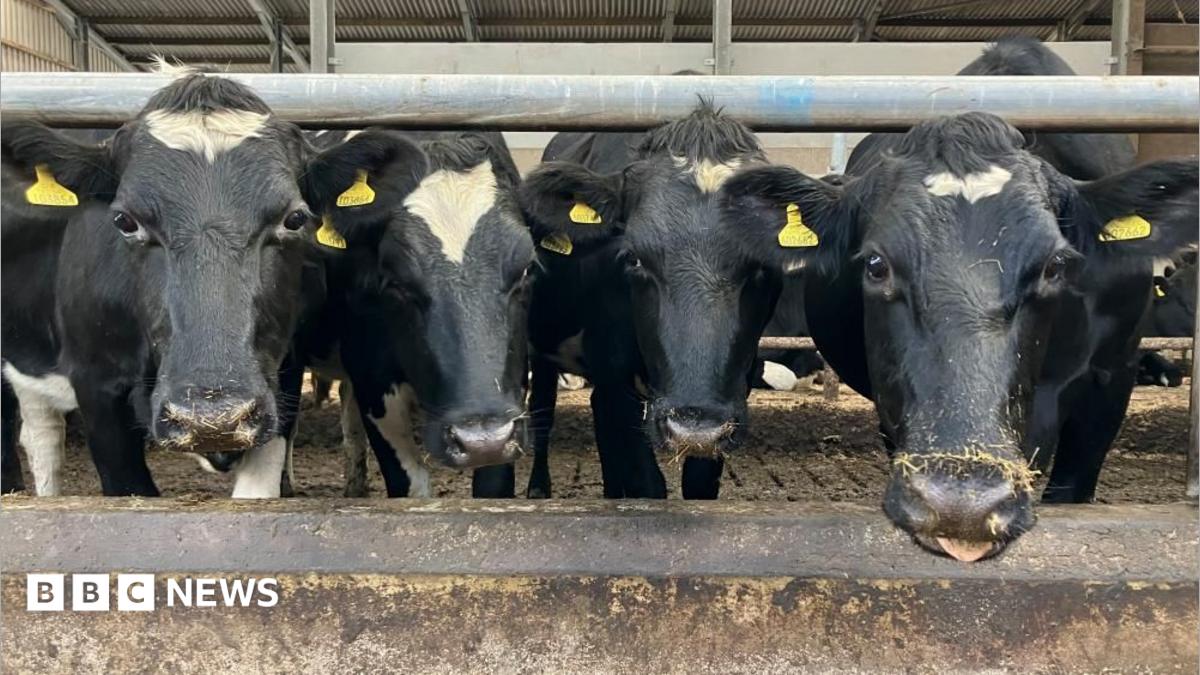
Virus from Europe found at two British dairy farms Image caption, The Shamonda virus was first found in cattle in Nigeria in the 1960s By Charlie Stubbs Reporting from in Shropshire and David Gregory-Kumar West Midlands rural affairs correspondent Two dairy farms have tested positive for an animal virus, the first such cases in Great Britain. Shamonda virus (SHAV) is thought to be primarily spread by biting midges and has been detected in cattle in Shropshire and Powys. According to the World Health Organization (WHO), SHAV originated in Nigeria in the 1960s and was found in southern Germany and Switzerland in June 2026.
The Animal and Plant Health Agency said the disease was "not a notifiable or reportable disease" and it coming to the UK "was not unexpected." It added "there is currently no evidence to suggest that additional disease-control measures" were needed. Shamonda virus mainly affects cattle, and causes fever, diarrhoea, lethargy and reduced milk production. It can also affect goats, sheep and horses.
There have been reports of birth defects and abortions in infant cows when their mothers have become infected during pregnancy, the WHO said. Speaking after an infection was found in Jersey in September, the Animal and Plant Health Agency said "these signs are not specific to SHAV and may overlap with a range of other endemic and exotic livestock diseases." Rob Hall, the clinical director at LLM Farm Vets in Whitchurch, Shropshire, said many farmers may not find out if they had the infection or the extent of the damage until calving season. "The animals that were pregnant could lose their unborn calf or lamb," Hall said.
"If they do not kind of miscarry, they can give birth to deformed offspring and also congenital abnormalities. "Those would include things with sort of spinal defects, bent and contorted limbs, and also brain disorders and developmental disorders of the brain." He added that an infection like Shamonda could become more common because of climate change. "We are having warmer winters and that means the range of the midges is expanding further north and they are persisting," Hall said.
"Shamonda virus has been known to circulate in North Africa and southern Europe, like Turkey. "It has leapt into northern Europe this summer and then made it over to the UK." Image source, Neale Sadler Image caption, Neale Sadler is a third-generation dairy farmer from north Shropshire One farmer said he was not sure what to make of the situation because of the "amount of unknowns." Neale Sadler is the third-generation on his dairy farm in Edstaston near Wem, and said it was a case of "crossing your fingers" until more is known about the virus. "Nobody had really heard of it until probably a month, maybe six weeks ago, because [it] suddenly started appearing on some of the agricultural and farming news bulletins," Sadler added.
He added that he was worried about how long the virus could have been in the UK, undetected. "It is worrying, but I think from a positive point of view, because it's transmitted by midges and we're now into November, we've gone past the midge season," Sadler said. "There is not a lot of midges about now but if you get a warm couple of days and suddenly they can reappear again.
"The problem is thinking if the damage has already occurred. Did these midges start biting our animals a month, two months ago, but the symptoms are delayed in showing themselves?" Image source, Charlie Stubbs / BBC Image caption, Tim Downes is the chair of the Royal Association of British Dairy Farmers (RABDF) Tim Downes has 300 dairy cows in Longnor, south Shropshire. He is also the chair of the Royal Association of British Dairy Farmers, and said it was an issue being monitored across the country.
"It is very early to say yet but I have been with two vets today in Leicestershire and they were both saying that they are monitoring it," he added "At this moment in time, there is no vaccine available so the main method of control will be in good animal practice - so keeping flies away from cows, good management of hygiene, and those sort of avenues." Shamonda joins a list of new problems for livestock farmers driven by a warming climate. It is related to another virus, Schmallenberg, and causes health issues that are very similar. Symptoms of infection are very similar to a number of other diseases which means farmers need to do a lab test to be sure animals are actually infected with Shamonda.
This discovery is still in its very early days so much is unknown. The impact of such viruses tends to be cyclical and follow the seasonal patterns of the insects that carry them but it is not yet known if Shamonda will behave in the same way. Get in touch Tell us which stories we should cover in Shropshire
Source: BBC